In South Florida, the very proximity to the ocean that drives property value is also the greatest threat to a building’s structural integrity. By February 2026, coastal property managers and HOA boards have become acutely aware that “salt air” is not just a smell—it is a chemical delivery system for chlorides that aggressively attack concrete and steel. For buildings located within three miles of the coast, corrosion is not a matter of “if,” but “how fast.”
Understanding the mechanics of coastal decay is the first step in implementing a defense strategy that satisfies modern safety mandates and preserves capital reserves.
The Chemistry of Coastal Decay
The primary culprit in coastal building degradation is the chloride ion found in sea spray and mist. Unlike standard freshwater, salt-laden moisture is highly conductive and chemically active.
Chloride Ion Penetration Concrete is a naturally porous material, similar to a hard sponge. As salt air hits a building facade, chloride ions migrate through these pores. Over time, these ions reach the depth of the internal steel reinforcement (rebar). This process is accelerated by the high humidity and heat of the Florida climate, which expands the concrete’s pores and allows for deeper penetration.
The Destruction of the Passive Layer Steel rebar inside concrete is normally protected by a “passive layer” of alkalinity. However, once the chloride concentration reaches a critical threshold, this protective layer is stripped away. The steel then begins to oxidize—or rust—at an exponential rate.
The “Expansion” Problem: Why Concrete Fails
When rebar corrodes, it undergoes a physical transformation. The resulting rust occupies up to seven times the volume of the original steel. This internal expansion creates immense pressure from within the concrete slab.
- Cracking: The first sign is often fine, vertical cracks appearing on columns or balcony edges.
- Delamination: The concrete begins to separate from the rebar, creating “hollow” spots that can be identified by a professional sounding test.
- Spalling: Eventually, the pressure becomes too great, and chunks of concrete break away entirely, exposing the rusted steel to the elements.
In 2026, catching this cycle at the “cracking” stage is vital for passing milestone inspections and avoiding the massive costs associated with full-scale concrete restoration.
Prevention Strategies for Coastal Properties
To combat the relentless effects of salt air, property managers must move beyond standard paint and look toward high-performance protective systems.
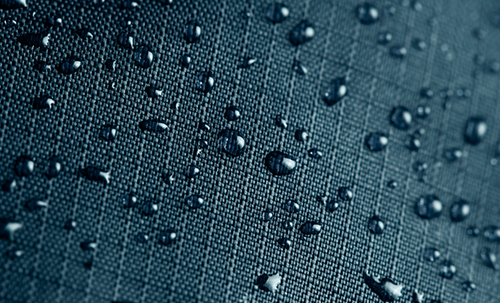
1. High-Performance Waterproof Coatings Standard exterior paint is breathable, which is good for moisture escape but bad for chloride exclusion. Coastal buildings require elastomeric coatings or specialized silane/siloxane water repellents. These products create a hydrophobic barrier that prevents salt-laden water from entering the concrete pores while still allowing the building to “breathe” out internal vapors.
2. Sacrificial Anodes In areas of high salt exposure, such as balconies and ocean-facing walkways, waterproofing specialists often install sacrificial anodes. These small zinc pellets are embedded into the concrete during repairs. Because zinc is more reactive than steel, the salt air attacks the zinc instead of your structural rebar, effectively “sacrificing” the anode to save the building.
3. Regular Rinse Regimens One of the simplest forms of building maintenance for coastal properties is a scheduled freshwater rinse of the building facade. Removing accumulated salt crystals from window sills, balcony railings, and expansion joints prevents the long-term “soaking” of chlorides into the substrate.
4. Sealant Integrity The joints between windows and masonry are the most vulnerable entry points for salt air. Using UV-resistant silicone sealants ensures that these bridges remain flexible and watertight despite the intense coastal sun.
Summary of Key Takeaways
Coastal corrosion is a silent, ongoing process that requires constant vigilance. In the 2026 South Florida market, the difference between a building that maintains its value and one that faces emergency assessments is a proactive approach to salt-air mitigation. By sealing the building envelope and protecting the internal reinforcement before damage becomes visible, you ensure the safety and longevity of the structure.
Shield Your Building from the Elements
Is your coastal property showing signs of rust staining or salt damage? Deluxe Waterproofing specializes in advanced corrosion prevention and structural repair for South Florida’s most demanding environments.
Stop salt air in its tracks. Contact Deluxe Waterproofing Today for a Coastal Exposure Audit or learn more about our specialized maintenance programs for oceanfront buildings.