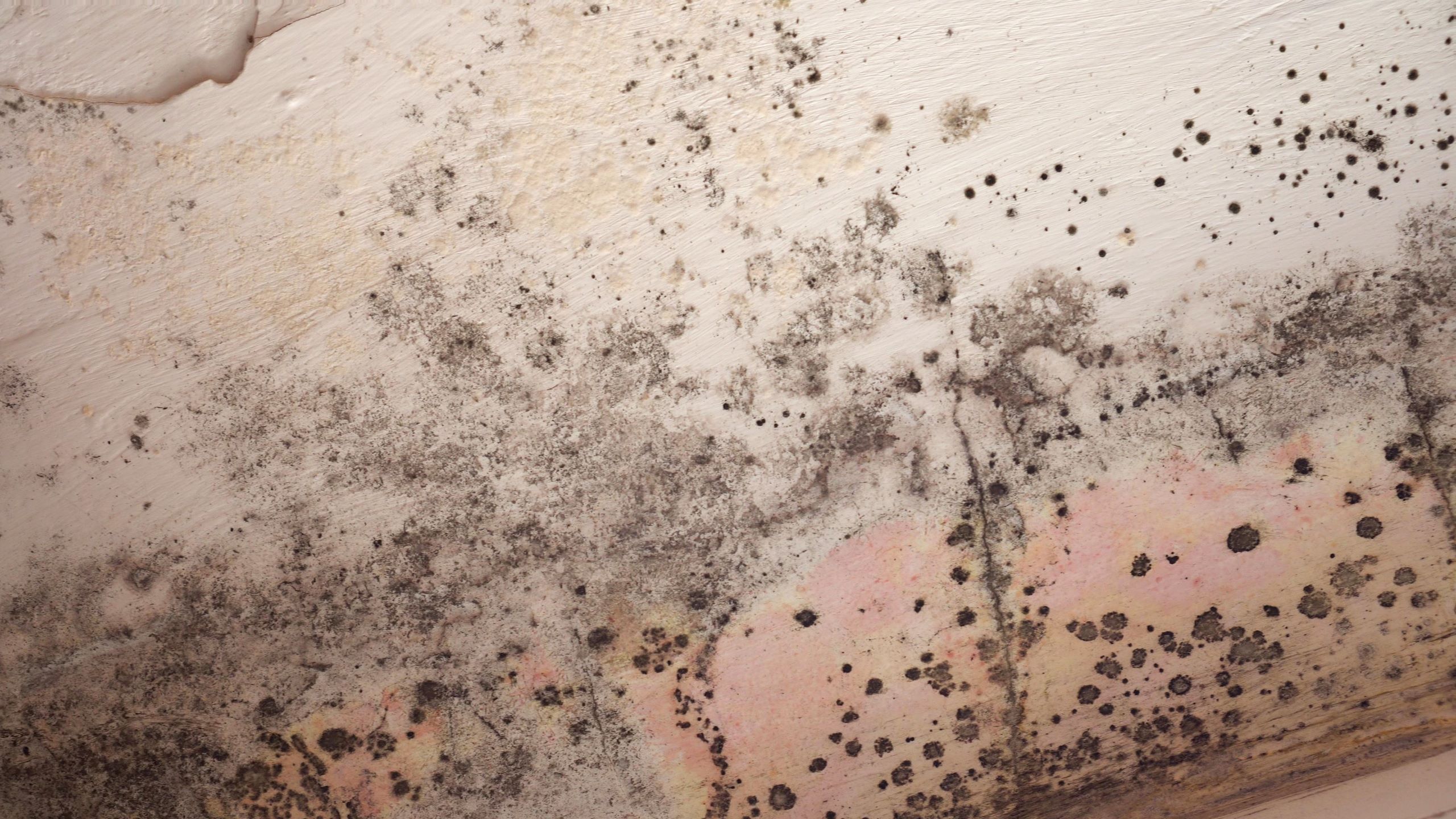
Meta Title: Water Intrusion & Mold Growth in Commercial Buildings Meta Description: Understand the link between building leaks and mold growth. Learn how South Florida waterproofing prevents toxic indoor environments and structural decay. Slug: connection-between-water-intrusion-and-mold-growth
The Connection Between Water Intrusion and Mold Growth in Commercial Buildings
In the humid, subtropical climate of South Florida, water intrusion is more than just a structural nuisance—it is a biological catalyst. By February 2026, indoor air quality (IAQ) has become a primary concern for commercial tenants and property managers as modern building designs can inadvertently trap moisture inside. When moisture penetrates a building’s exterior, it transforms hidden wall cavities into ideal incubation chambers for fungal growth.
For property managers, understanding this connection is vital for mitigating health risks, avoiding legal liability, and preventing the high costs of large-scale remediation.
The 48-Hour Rule: From Leak to Liability
Mold spores are naturally occurring in the environment, but they remain dormant until they encounter a moisture source. Once water enters a building through structural breaches or maintenance failures, the clock begins to tick.
Under typical South Florida conditions, mold can begin to colonize on organic materials like drywall, ceiling tiles, and wooden studs within 24 to 48 hours of exposure. Because many leaks occur behind the scenes, the first sign of a problem is often a persistent musty odor rather than a visible stain. By the time mold is visible on the surface, the internal wall structure may already be heavily contaminated.
Common Entry Points for Moisture
In 2026, building envelopes are under constant pressure from high humidity, frequent rain, and wind-driven rain. Identifying where water is getting in is the first step in stopping the mold cycle:
- Window and Door Perimeters: Inadequate flashing or sealant failure at these junctions allows humid outdoor air and rain to bypass the exterior and soak into interior materials.
- Roofing Vulnerabilities: Worn roofing components or storm damage allow rainwater to penetrate ceilings and insulation, saturating materials that stay damp for extended periods.
- Cracked Masonry and Foundations: Stucco cracks and foundation gaps allow groundwater or heavy rain to seep into the building, especially in areas with high water tables.
- HVAC Condensation: Poorly maintained systems can create standing water in ducts or condensation on uninsulated air conditioning ducts, which fosters mold growth that can spread throughout the building.
The Structural and Financial Impact
Mold is a scavenger that feeds on organic building materials. If left unchecked, it can lead to significant structural and financial damage:
- Material Degradation: Mold breaks down the integrity of drywall, wood framing, and insulation, eventually requiring full replacement rather than simple cleaning.
- HVAC Contamination: If mold enters air circulation pathways, it can spread spores widely throughout a facility, drastically increasing the scope of remediation.
- Tenant and Legal Risks: In the 2026 commercial market, mold can lead to lease terminations, decreased occupancy, and lawsuits claiming negligence for health issues.
- Property Value Loss: A known mold problem can decrease property demand and lead to a significant drop in resale values.
Prevention Through Professional Waterproofing
The only way to permanently solve a mold problem is to solve the moisture problem. While remediation removes the growth, it does not prevent its return without addressing the source.
A proactive waterproofing strategy is the most effective form of mold prevention. This includes creating a protective moisture-resistant barrier on roofs, walls, and floors. Maintaining the integrity of the building envelope by sealing cracks and gaps ensures the property remains watertight. By keeping the building envelope intact and maintaining indoor humidity between 30% and 50%, you eliminate the primary conditions necessary for mold survival.
Summary of Key Takeaways
Water intrusion and mold are directly linked in the South Florida environment. A building that is not properly waterproofed is highly vulnerable to mold challenges. For property managers, the goal should be consistent moisture control. By addressing leaks immediately—ideally within 48 hours—and maintaining a high-performance waterproof barrier, you protect both the structural health of the building and the physical health of its occupants.
Restore Your Building’s Health
Do you have a persistent leak or a musty odor that won’t go away? Deluxe Waterproofing offers integrated solutions to identify the source of water intrusion and provide lasting protection against mold growth.
Stop the cycle of moisture and mold. Contact Deluxe Waterproofing Today for an Envelope Integrity Audit or explore our professional mold remediation and waterproofing services.