For property managers and HOA boards, the term “recertification” has evolved from a routine paperwork exercise into a critical pillar of building safety and financial stability. As of February 2026, the landscape of South Florida building safety is governed by rigorous standards designed to prevent structural failure in our unique coastal environment. Understanding the 40-year building recertification process—and its modern counterpart, the Milestone Inspection—is essential for any stakeholder responsible for an aging commercial or residential structure.
The Evolution of Recertification in 2026
Originally pioneered by Miami-Dade and Broward Counties, the recertification process was designed to ensure that buildings remain safe for continued occupancy as they age. However, following legislative updates in recent years, the process has become more integrated with state-wide safety mandates. Buildings that reach 40 years of age (and every 10 years thereafter) must undergo a comprehensive evaluation by a licensed engineer or architect to verify structural and electrical safety.
In the current regulatory climate, these inspections are no longer just about meeting a minimum bar. They are about identifying the long-term effects of salt-air exposure and high-frequency weather events on a building’s core components.
Key Phases of the Recertification Process
The process typically begins with a formal notice from the local building department. Once this notice is received, the clock begins ticking on a series of mandatory milestones.
The Structural Inspection The structural component is the most intensive part of the process. Inspectors look for signs of significant distress, including:
- Foundation Integrity: Checking for settlement or water-related erosion that could compromise the base.
- Concrete Condition: Identifying spalling, rebar oxidation, and deep-seated cracking in columns and beams.
- Roofing Systems: Evaluating the age and condition of the roof to ensure it remains watertight and wind-resistant.
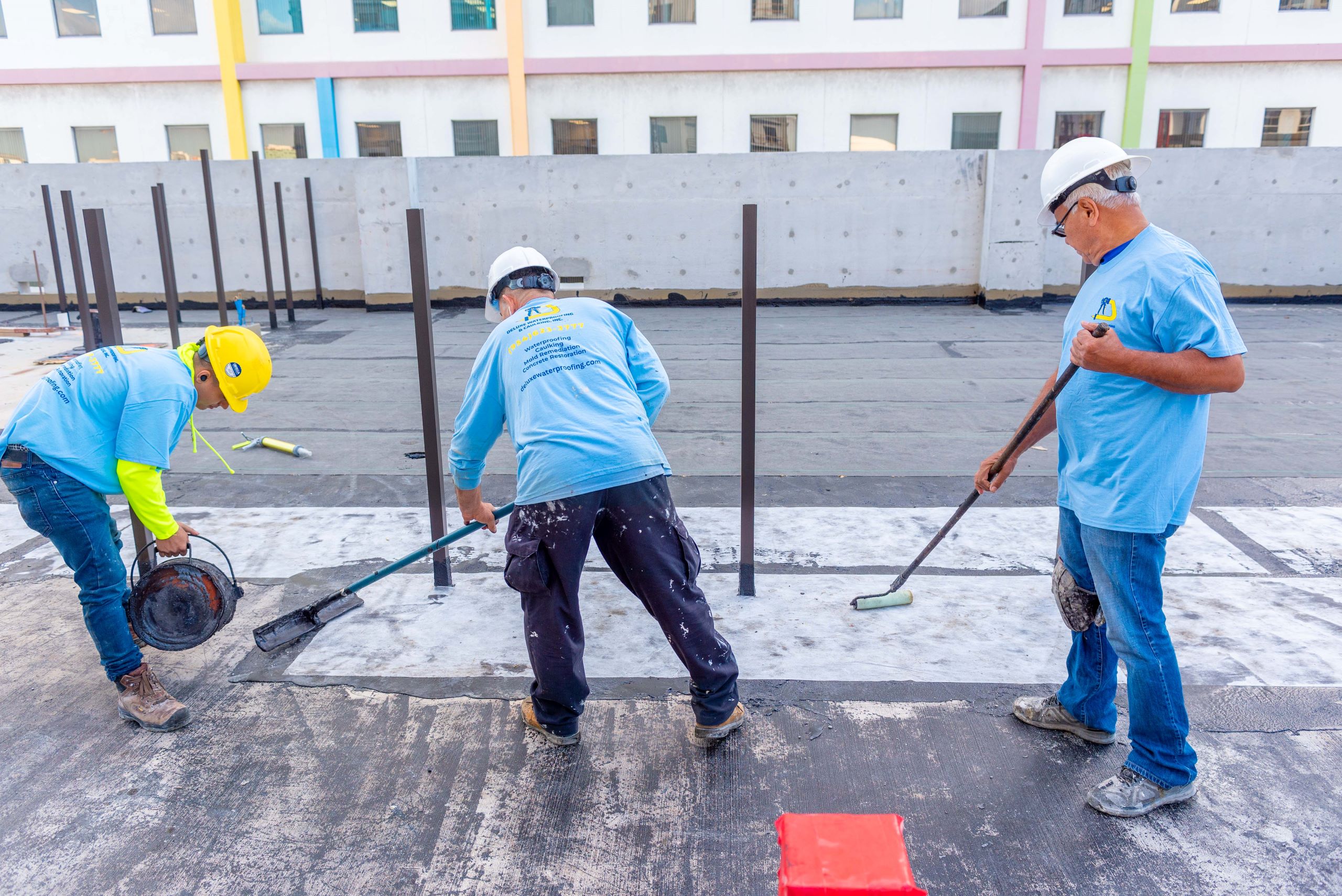
- Building Envelope: Assessing the state of waterproofing membranes and sealants that protect the skeleton of the building.
The Electrical Inspection A separate but equally vital component focuses on the building’s electrical infrastructure. This includes:
- Service Entrance and Panels: Ensuring that main power feeds are not corroded or overloaded.
- Emergency Systems: Testing emergency lighting and exit signage for functionality during power failures.
- Grounding and Bonding: Verifying that the building is properly protected against electrical surges and lightning strikes.
Why Waterproofing is the Secret to Passing
One of the most common reasons buildings fail their initial recertification is neglected water intrusion. In South Florida, water is the primary catalyst for structural degradation. When a building’s waterproofing system fails, moisture penetrates the concrete, causing the internal steel reinforcement to rust and expand. This leads to costly concrete restoration needs that must be addressed before a building can be recertified.
Proactive waterproofing acts as a shield, ensuring that when the 40-year mark arrives, the structural integrity of the building remains intact, saving the association or owner from astronomical emergency repair assessments.
Timelines and Compliance Challenges
Once the inspection is complete, the professional engineer or architect submits a report to the building department.
- If the building is safe: The report is filed, and the building is recertified for another 10 years.
- If deficiencies are found: The owner is typically given a specific window—often 90 days—to obtain the necessary permits and begin repairs.
Failure to comply with these timelines can lead to daily fines, increased insurance premiums, or even an “Unsafe Structure” designation, which may lead to evacuation. Engaging in regular building maintenance throughout the life of the property is the only way to avoid these high-pressure scenarios.
Preparing Your Board for Recertification
For many HOAs, the 40-year mark represents a significant financial hurdle. In 2026, the focus has shifted toward Reserve Studies that specifically account for the costs of recertification repairs.
- Audit Early: Don’t wait for the official notice; hire a professional to conduct a pre-inspection audit.
- Review Maintenance Logs: Ensure all roofing and sealant work is documented and current.
- Prioritize the Envelope: Fix leaks and cracks now to prevent them from becoming “structural deficiencies” during the official inspection.
Looking Ahead
The 40-year building recertification process is a vital safeguard for South Florida’s vertical landscape. While it can be a complex and demanding process, it serves as a roadmap for extending the life of your investment. By focusing on preventative measures and understanding the technical requirements of the inspection, property managers can navigate this milestone with confidence and financial predictability.
Secure Your Building’s Future
Is your building approaching its 40-year or 10-year recertification milestone? Deluxe Waterproofing provides the expertise needed to identify and resolve structural vulnerabilities before they become compliance issues.
Take the first step toward a successful recertification. Contact Deluxe Waterproofing Today for a Structural Health Consultation or learn more about our 40-year recertification support services.